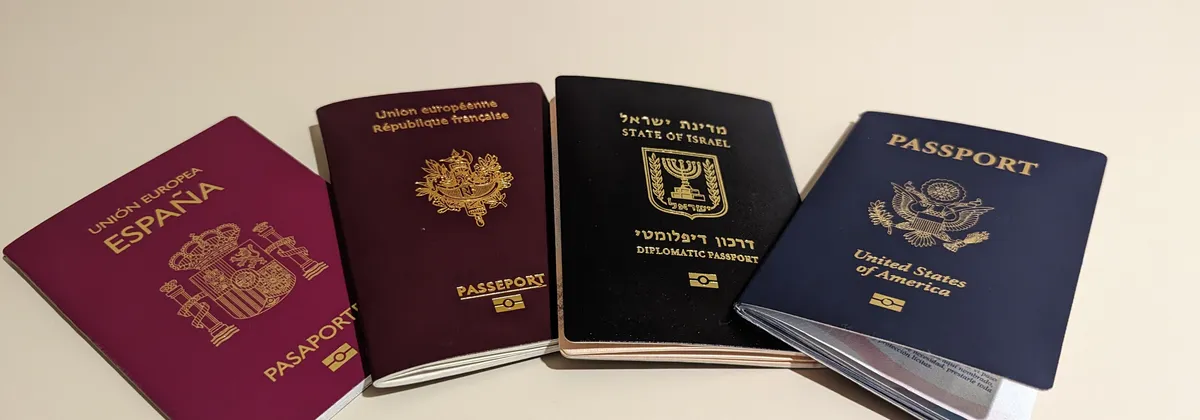
Загранпаспорта — Horizon206, CC0, Wikimedia Commons
Загранпаспорта — Horizon206, CC0, Wikimedia Commons
A German clinic will evaluate your case based on your medical records before your arrival. The more complete your documentation, the more accurate the preliminary cost estimate and treatment plan will be. Basic set of documents: a medical summary (epicrisis) indicating the diagnosis, tests performed, and treatment received; imaging results—CT, MRI, PET-CT, X-rays (on a disc in DICOM format or high-quality scanned copies of the reports); laboratory test results from the past 3 months; histological slides and tissue blocks (in the case of oncology, this is critically important, as German pathologists conduct their own review).
At the initial inquiry stage with the clinic, a working translation into German or English is sufficient—notarization is not required. It is important for the clinic to understand the substance, not the formality. However, if it comes to applying for a visa or insurance, notarized translations of your passport and invitation letter may be required.
Citizens of Russia, Ukraine, Kazakhstan, and other CIS countries are required to obtain a Schengen Category C visa (for medical treatment lasting up to 90 days) or a national Category D visa (for long-term medical treatment). Required documents: an invitation from the clinic (Kostenübernahme or Einladung), proof of payment for treatment or financial guarantees, health insurance covering the entire duration of the stay, and a hotel reservation or proof of accommodation.
Standard travel insurance does not cover elective medical treatment abroad. Medical tourism requires special insurance: an “incoming” policy that covers emergencies during your stay. The cost of treatment is paid separately—directly to the clinic.
In addition to documents and test results: all medications being taken (in their original packaging with Latin names), a power of attorney for the accompanying person (if the patient is a child or an elderly person), contact information for the patient’s primary care physician at home (for communication with German colleagues), and an adapter for European outlets (type F/C).
We handle all the preparations: we help you gather the necessary documents, arrange translations, request an invitation from the clinic, and provide advice on visas and insurance. You’ll receive a ready-to-go checklist with dates and deadlines—and you can fly with confidence, knowing that everything is taken care of.
Thank you! We will call you back shortly.